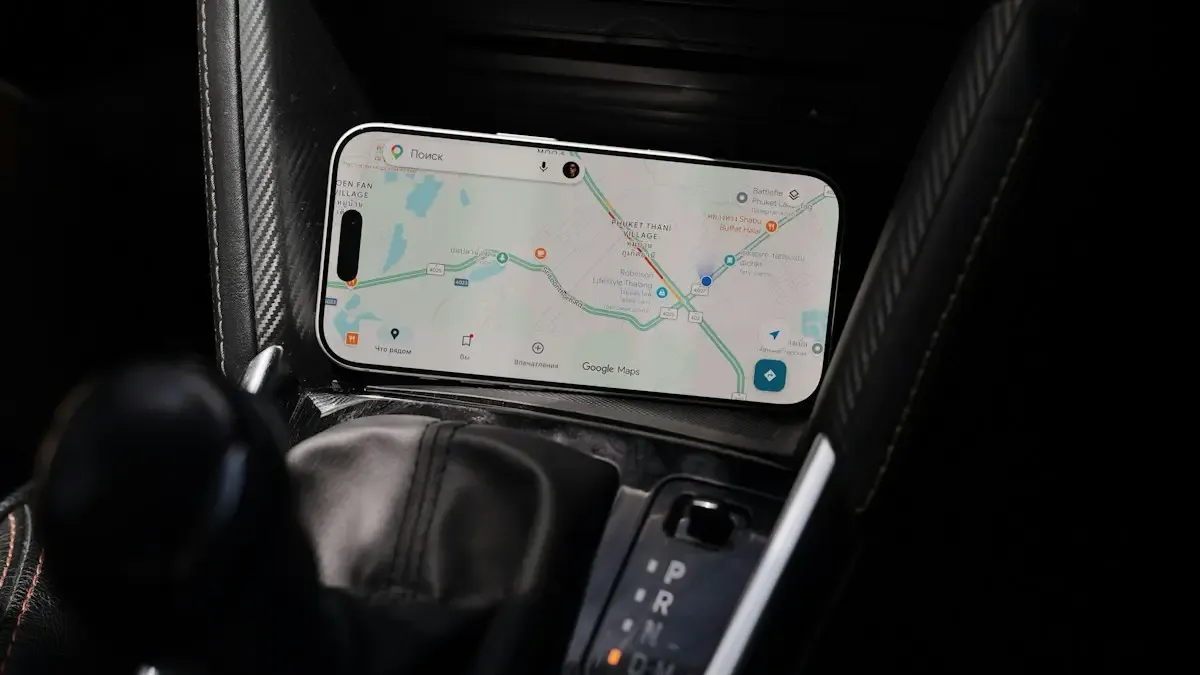
When someone searches “plumber Leeds”, “accountant near me” or “pizza open now”, Google doesn’t jump straight to the usual ten results: first it shows a map with three businesses. Whoever is there gets most of the calls. In this guide I’ll explain, in plain English, what it takes to get into that map in your town.
What local SEO is (and why it matters)
Local SEO is everything that helps a business with a physical location, or one that serves a specific area, show up in searches made by people in that area. It applies to tradespeople, shops, professional practices, restaurants, gyms, hotels: anyone with customers in a particular place.
It matters because people searching this way almost always have a concrete, immediate need. They’re not browsing: they’re choosing who to call. Being visible at that moment is worth more than many ad campaigns.
How the Google map works
The box with the map and three businesses is known in the trade as the local pack. Google itself says it mainly looks at three factors when deciding who to show:
- Relevance: how well your business matches what the person searched for.
- Distance: how close you are to the searcher, or to the area named in the search.
- Prominence: how well known and well regarded you are, online and offline (reviews, mentions, links, website).
There’s little you can do about distance: your premises are where they are. But you can do a lot about relevance and prominence. That’s where you win.
Your Google Business Profile: the foundation
The first step is your Google Business Profile (formerly Google My Business). It’s the listing that appears on the map and to the right of the results. If you haven’t claimed it yet, that’s job number one. If you have, there’s probably a lot of room to improve it. Check that:
- the primary category describes exactly what you do (and add any relevant secondary categories);
- name, address, phone, website and opening hours are complete and up to date, holidays included;
- you’ve listed your services or products with a short description;
- there are real photos: premises, team, finished work. Listings with good photos inspire more trust;
- the description says clearly who you are, what you do and which area you cover.
A complete, well-kept listing isn’t a detail: it’s often a customer’s first impression of you.
Reviews: how many, how to ask, how to reply
Reviews count both for Google and for people. You don’t need hundreds, but they need to be steady, recent and genuine. A few practical tips:
- Ask at the right moment: right after a job well done, when the customer is happy.
- Make it easy: a direct link or a QR code that takes them to the review page.
- Reply to every review, including negative ones, calmly and politely: readers mostly look at how you respond.
- Never buy or swap reviews: it’s against Google’s rules and puts your listing at risk.
Consistent name, address and phone everywhere
Google cross-checks the information about your business that it finds around the web: your website, industry platforms, directories, social media. If your name, address or phone number are written differently, or are out of date, your business looks less reliable.
List the places where you appear (Yelp, Yellow Pages, industry directories, Facebook, review sites) and bring the details into line, always written the same way. It’s a tedious job, but you only have to do it once.
Your website: area pages and structured data
Your Google profile and your website work together. A clear, fast website boosts your prominence and helps Google understand where and for what to show you. In particular:
- show your address, service area and contact details clearly on every page;
- if you work in several towns, create dedicated pages with useful content that differs from one to the next, not copies with the town name swapped;
- add structured data (the code that describes your business to Google: name, address, opening hours, type of business);
- make sure the website is fast on smartphones: people searching “near me” are almost always on their phone.
The most common mistakes to avoid
- Stuffing keywords into the business name on your listing (“Joe Smith Cheap Plumber Leeds”): it breaks the guidelines.
- Using a fake address or a PO box to show up in another town.
- Leaving opening hours out of date: nothing annoys a customer more than finding you closed.
- Ignoring questions and reviews, especially negative ones.
- Creating several listings for the same location.
How long it takes to see results
It depends on the competition in your area and where you’re starting from. Some fixes, like completing your listing or correcting your opening hours, take effect within a few weeks. Building prominence with reviews and mentions takes a few months of steady work. The good news is that, unlike advertising, the results last.
The checklist
- Claim and complete your Google Business Profile.
- Choose your primary category carefully and add services and real photos.
- Set up a simple system for asking for reviews, and reply to every one.
- Line up your name, address and phone number across the web.
- Make your website clear and fast, with structured data.
- Check your results every month and keep your listing fresh with news and photos.
If you like, I can do this work for your business, or review your situation and tell you where to start.